PCB Cleanliness & Contamination Testing
Protect your electronic products from failure with Element's comprehensive PCB Cleanliness & Contamination Testing. Our non-destructive FTIR, IC, ROSE, and SEM/EDS analyses identify contaminants causing corrosion and shorts. With fast turnaround times and specialized PCB expertise, we help you ensure reliability, meet standards, and avoid costly rework.
What is PCB Cleanliness & Contamination Testing at Element?
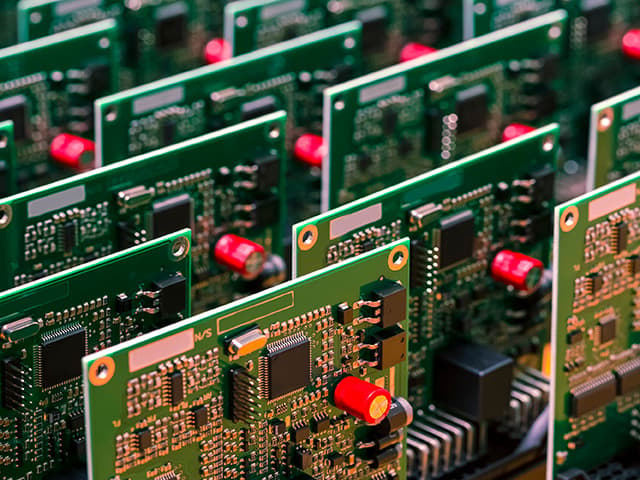
PCB Cleanliness & Contamination Testing encompasses the analysis of printed circuit boards and assemblies to determine the type and amount of contaminant materials present. At Element, we provide advanced analytical techniques to identify contaminants, whether large or small, known or unknown, that could potentially damage your products. Our testing helps determine what materials are present, their quantity, and whether they pose a risk to your product's performance and reliability.
What can Element offer you for PCB Cleanliness & Contamination Testing?

Key tests offered
Key tests offered
Element deploys four primary analytical techniques:
- non-destructive FTIR spectroscopy for organic contaminants that could cause corrosion and high-resistance shorts
- Ion Chromatography for specific ionic species affecting electrical performance
- ROSE Testing for quick overall cleanliness assessment with a simple rating value
- SEM/EDS analysis typically paired with FTIR for inorganic or metallic contaminants, providing both visual and elemental information about areas of concern
Components we test
Components we test
Element offers cleanliness testing for printed circuit boards and assemblies to determine the type and amount of contaminant materials present. Our testing identifies whether these contaminants could have a harmful effect on your product, helping you prevent potential failures before they occur.
Which labs offer this service
Which labs offer this service
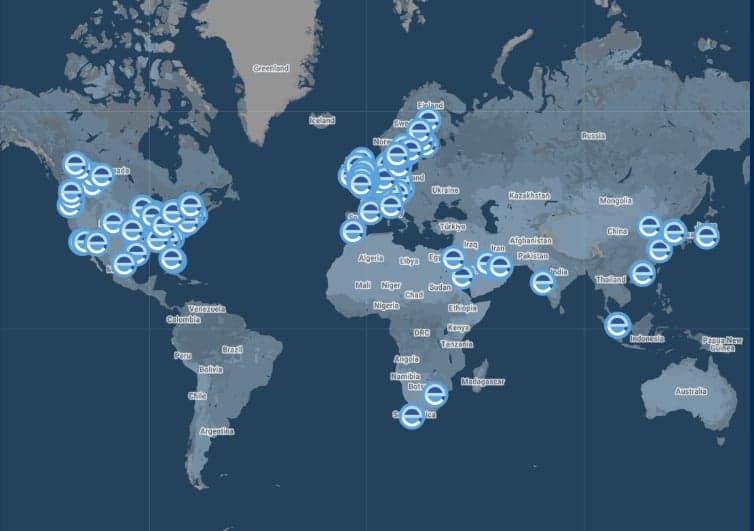
Notably among our circuit board testing labs worldwide, our Anaheim, CA and Baltimore, MD labs, formerly known as Microtek and Trace Labs, have more than 30 years of experience partnering with leading OEMs and manufacturers.
Products we test
- Printed Circuit Boards (PCBs)
- PCB Assemblies (PCBAs)
Your Challenges, Our Solutions
Reliability Failures
Meeting Compliance Standards
Production Bottlenecks
Root Cause Identification
Why Choose Element
Comprehensive Testing Solutions
Historic Industry Experience
Fast & Accurate Results
Analytical Expertise
8,500+engaged experts
30years
200+global
4possible
Frequently asked questions
What is ROSE testing and why is it important?
Resistivity of Solvent Extract (ROSE) Testing provides a quick quantification of overall PCB/assembly cleanliness. Using a simple resistivity meter, it delivers a singular value to rate cleanliness. ROSE testing is considered the workhorse of cleanliness testing due to its many advantages, including low cost and rapid assessment capabilities.
How do contaminants affect PCB performance?
Contaminants on PCBs can lead to corrosion, electrical shorts, high-resistance connections, and ultimately product failure. Ionic species and organic residues can particularly impact long-term reliability by causing gradual degradation of circuits and components over time.
When would you use FTIR versus SEM/EDS analysis?
FTIR spectroscopy is a non-destructive technique usually employed when a contaminant is believed to have an organic component, such as materials that could lead to corrosion resulting in high-resistance shorts. SEM/EDS analysis is typically paired with FTIR to investigate contaminants believed to have inorganic or metallic components, providing both visual and elemental information about an area of interest.